Rolling Pin Method
“I can make you that."
Then I stood in my garage thinking: how the hell am I actually going to make that?
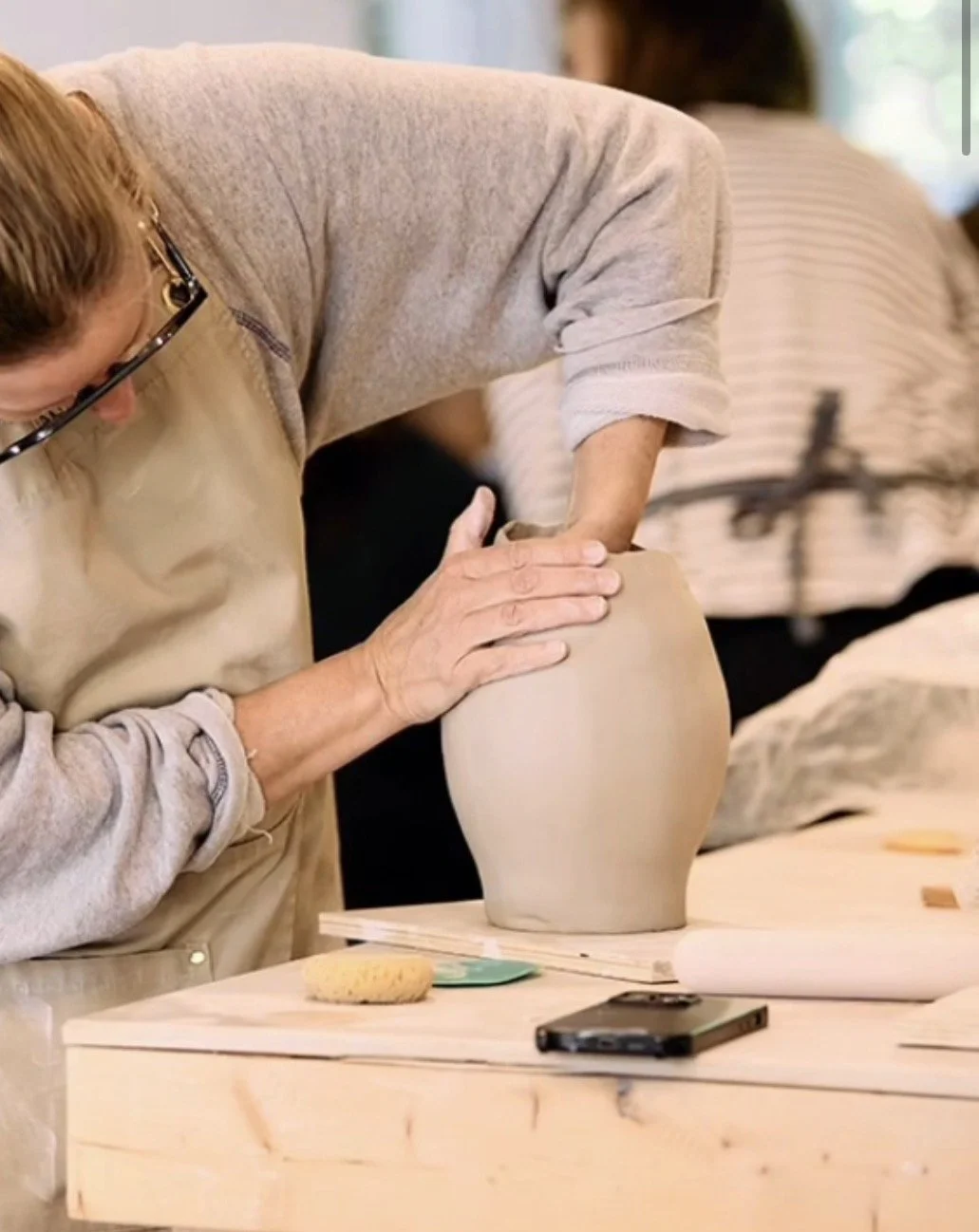
Eleven vases, taller than anything I had the skill to throw yet, and a rolling pin sitting on my little table. That's how the Rolling Pin Method started, and it's now changing how people hand-build altogether.
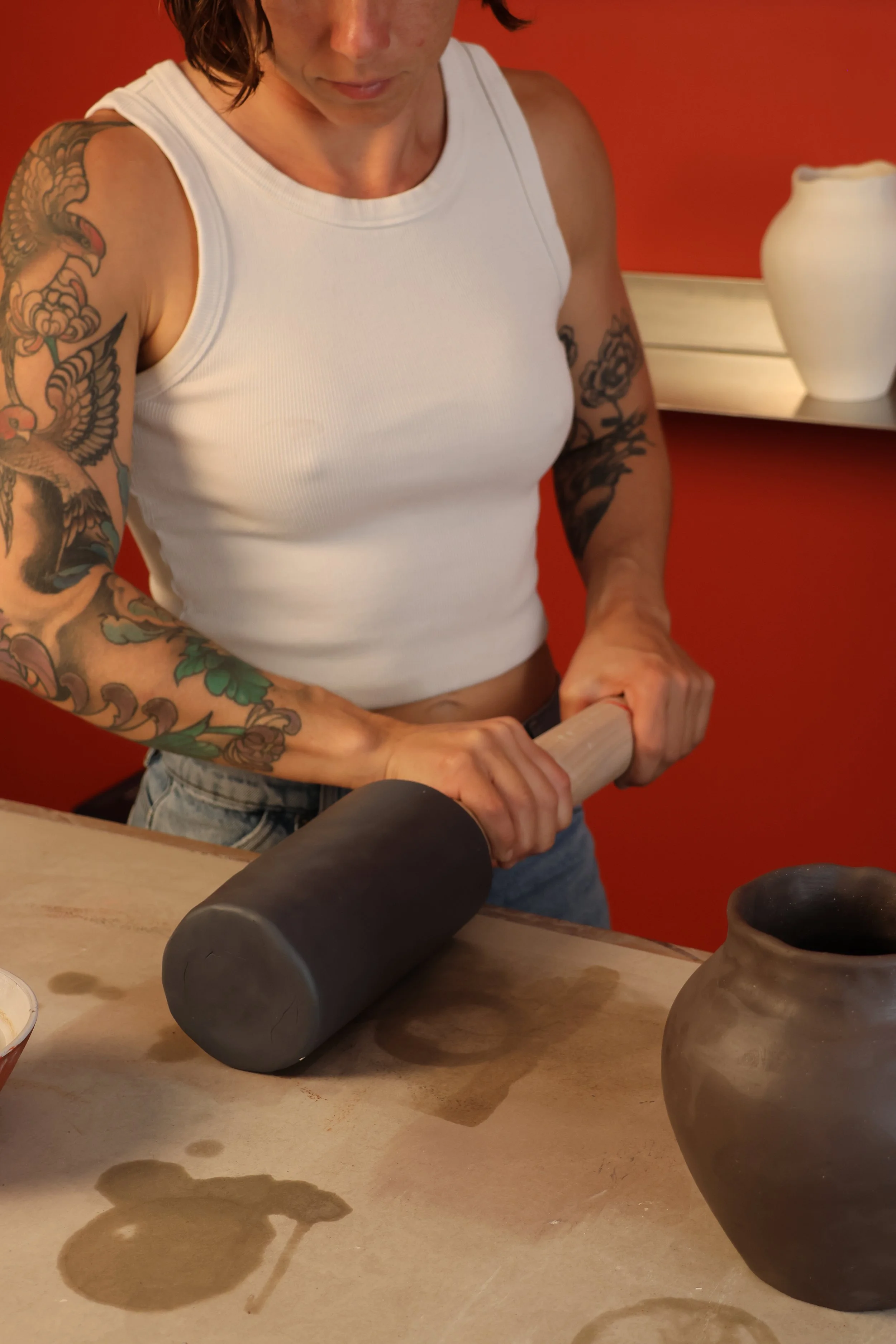
Watch how it works ↓
THE PRACTICE & THE ROLLIN PIN METHOD
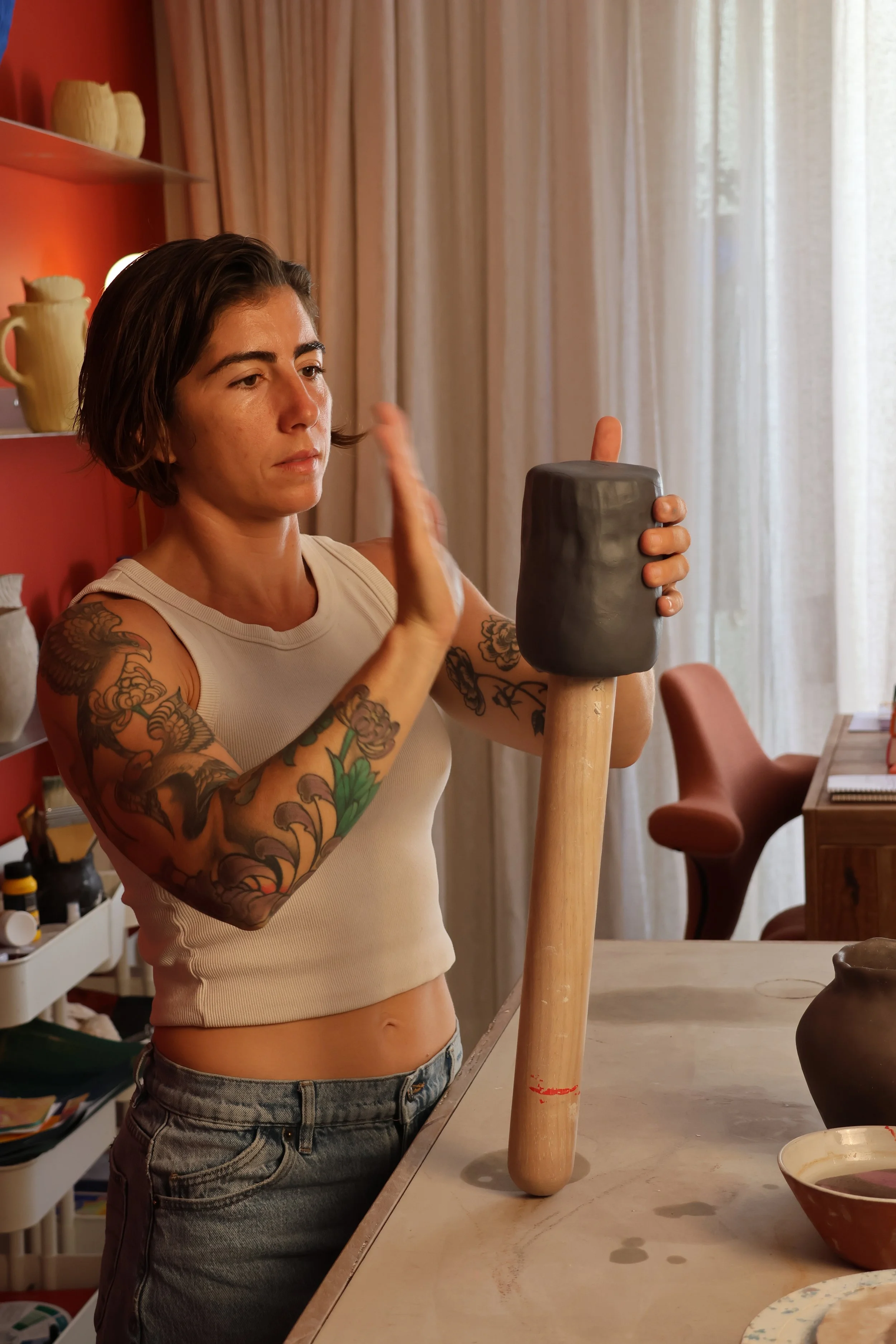
You want to make bigger pieces. The wheel takes years to master at that scale, and coiling is its own kind of hard, time-consuming, so many joints, so many chances for a crack to show up right where you can't fix it, and controlling the actual shape as you build is genuinely tricky. You know what you want to make. You just don't have a way to actually get there yet, one that doesn't fight you the whole way.
MY STORY
I said yes before I knew how.
A client commissioned eleven vases for her new house, taller than anything I had the skill to throw on the wheel at the time. I didn't like coiling either, the joints, the constant risk of cracking, how hard it was to keep the shape controlled as I went. But I said yes anyway.
I was working out of my garage back then, a little table, figuring it out as I went. Standing there afterward, I remember thinking: how the hell am I actually going to make that? There was a rolling pin sitting there, the one I used for plates. I picked it up and just started.
I lost over a hundred pieces before I got it right. Cracked, exploded, collapsed, more failures than I could count. That's honestly part of it, you develop the technique based on what you see happen in front of you. But there are real tips, real details, that make it possible, and that's what took a hundred failures and turned them into an actual method.
THE TECHNIQUE
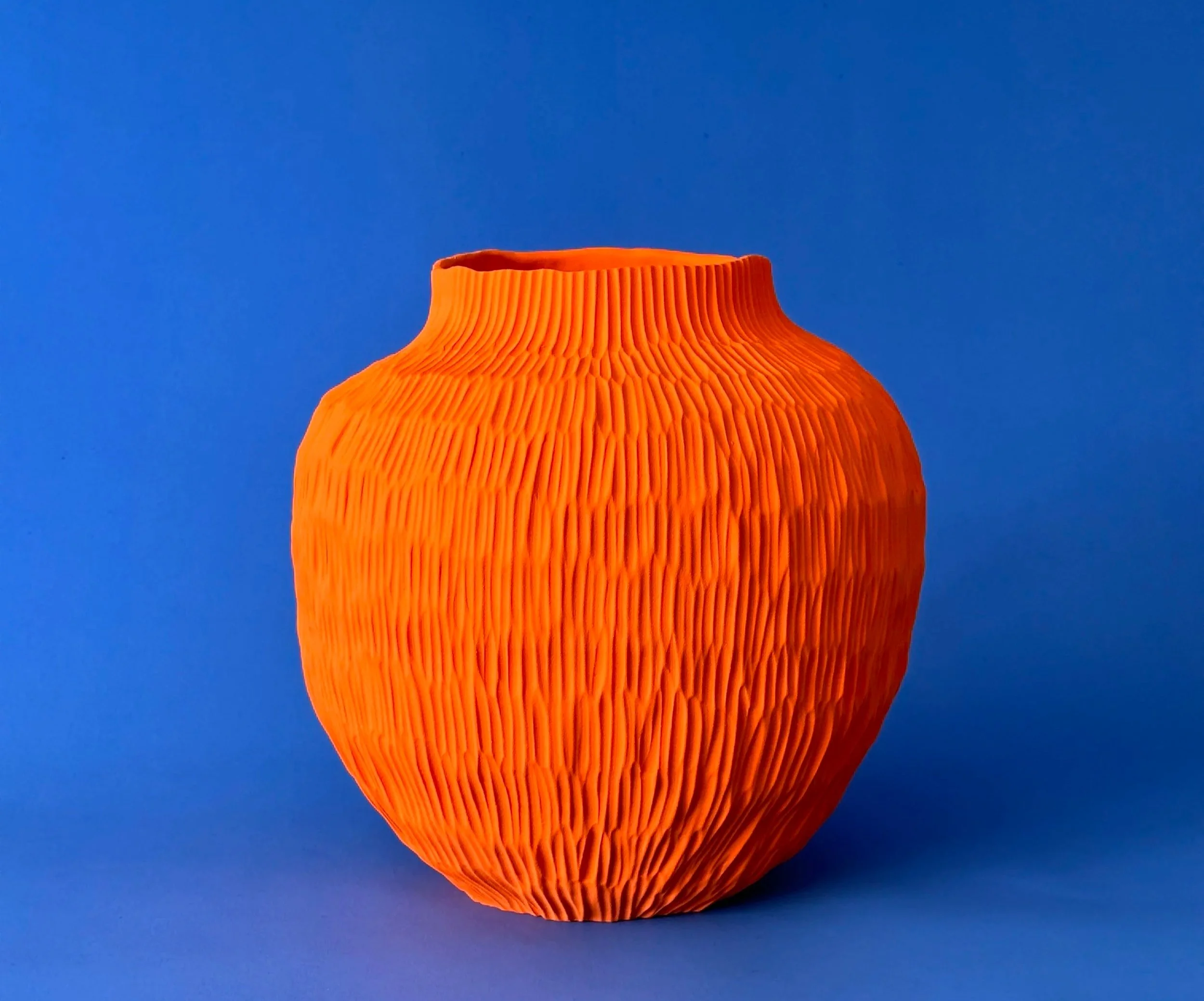
Rolling Pin Method works for vases up to about 30cm on its own, no coils, no joints to hide, no fighting to keep the shape true as you build. For taller pieces, I combine it with what I call slab coils, building on top of the rolling pin base to go higher without losing that same consistency.
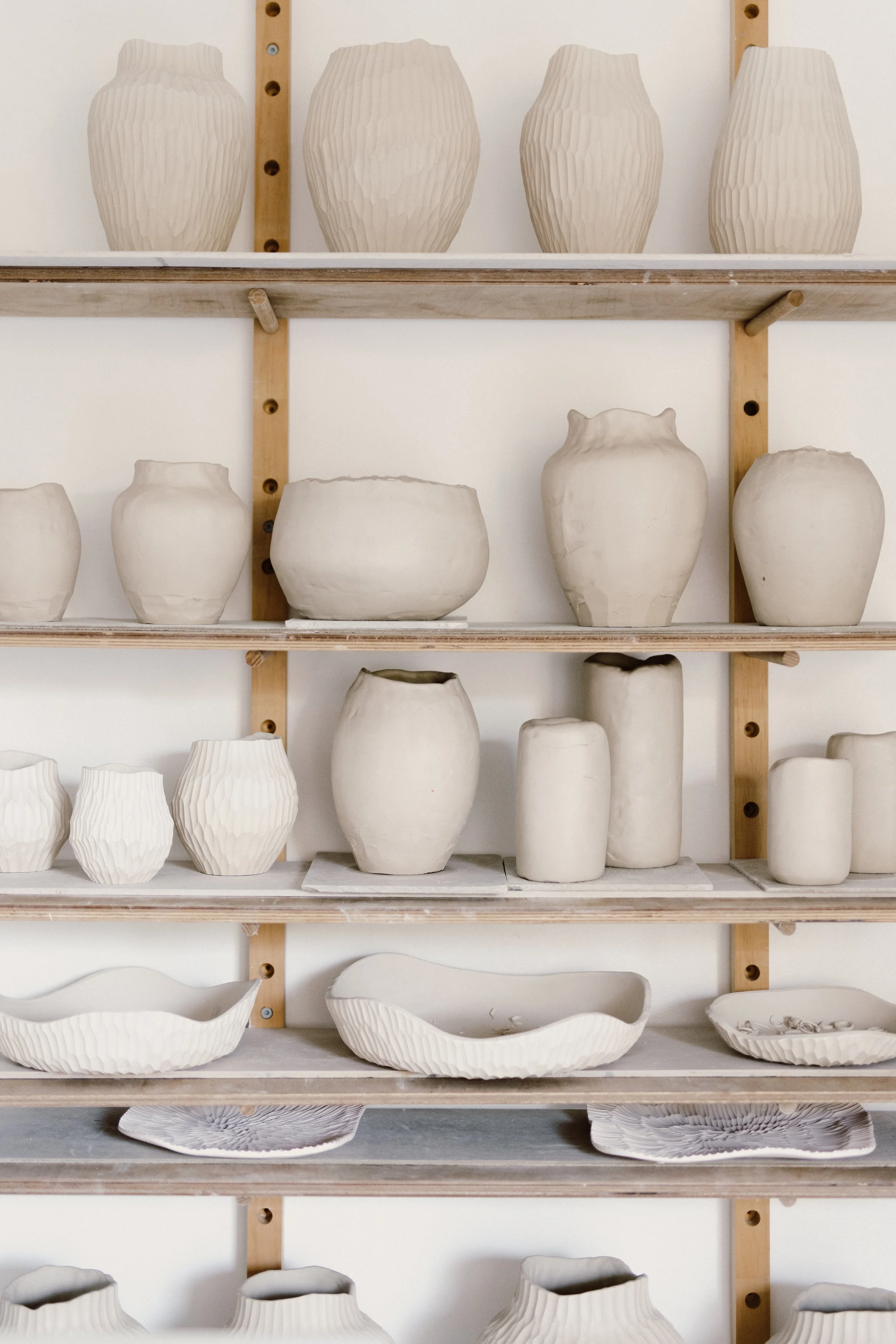
You're not limited to vases either. The same technique builds all kinds of shapes and structures, once you know it, you can take it in a lot of directions. I also teach how I carve into pieces built this way, it's not required, but it's one of my favourite parts of the process.
ROLLING PIN METHOD WORKSHOP
This isn't just a technique for people who don't already hand-build. Potters who've spent years on the wheel are learning Rolling Pin Method and using it instead, that's how much it changes what's possible.
Once you have it, you stop fighting your pieces and start trusting them. No more bracing for a crack at the joint, no more losing the shape halfway through. You know they'll hold, you know they'll be consistent, and you end up with something you're actually proud of, not something you're hoping holds together.
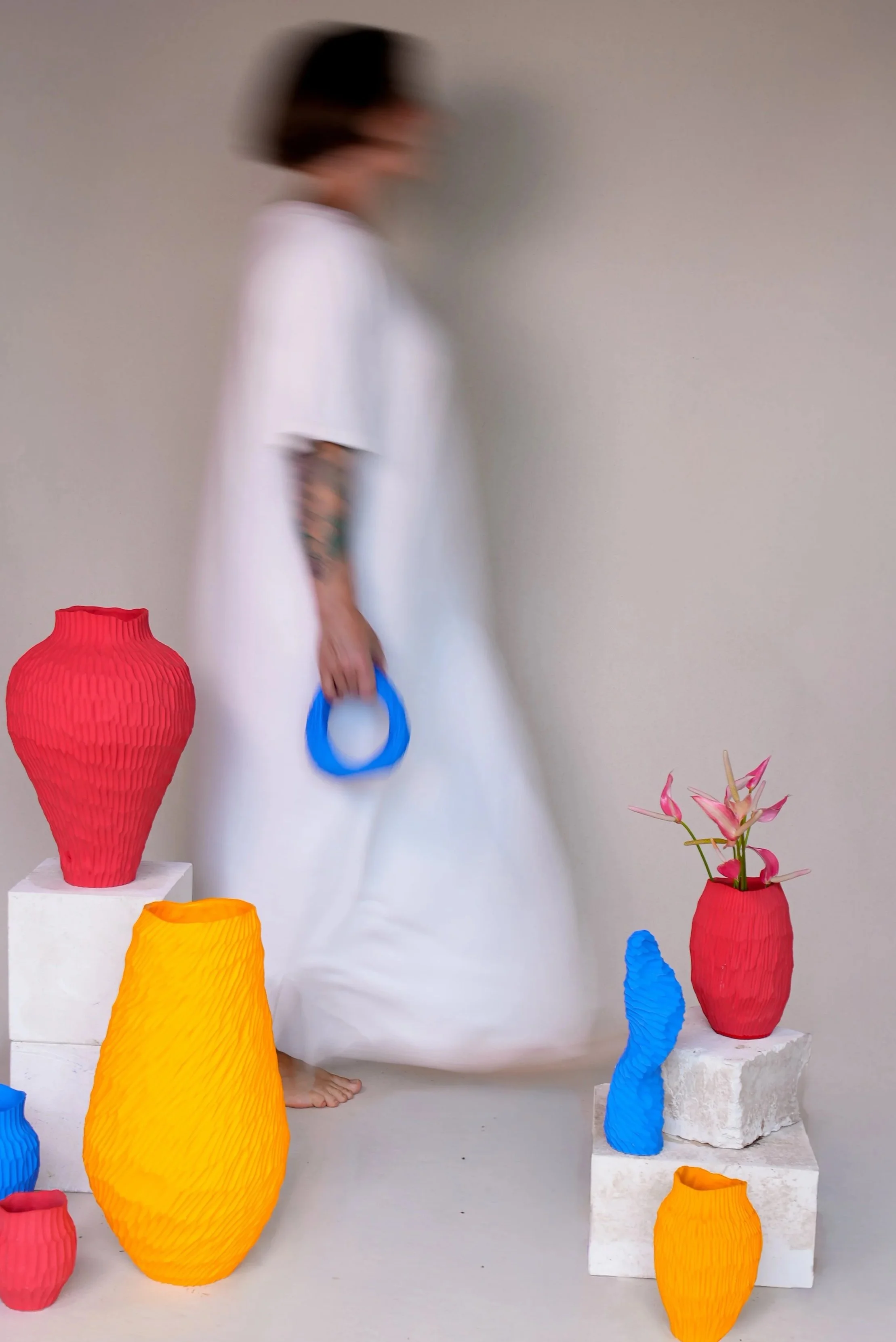
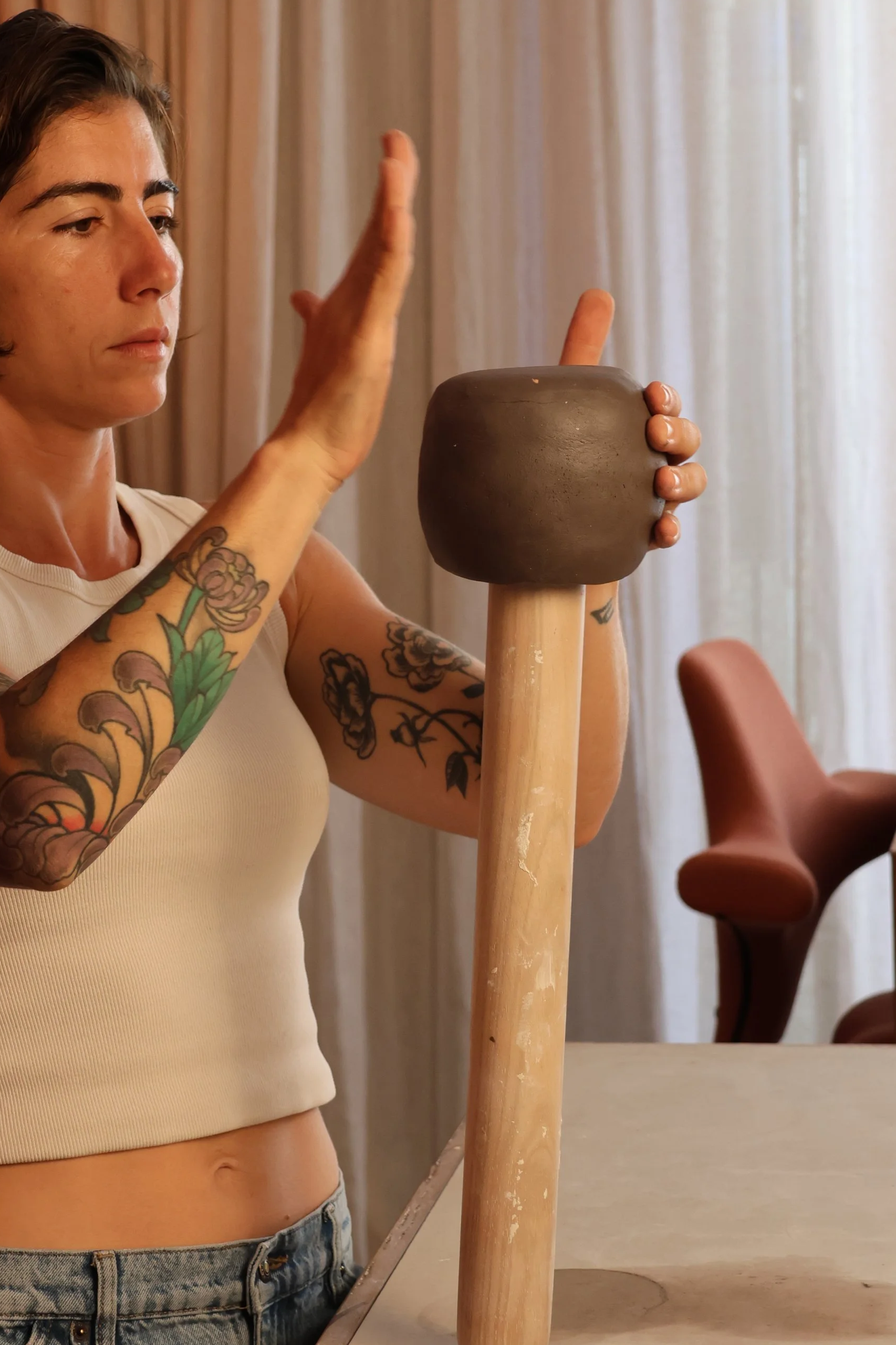
Taught to students in 60+ countries. The technique wheel-throwers are switching to. Built out of necessity, refined into a method.
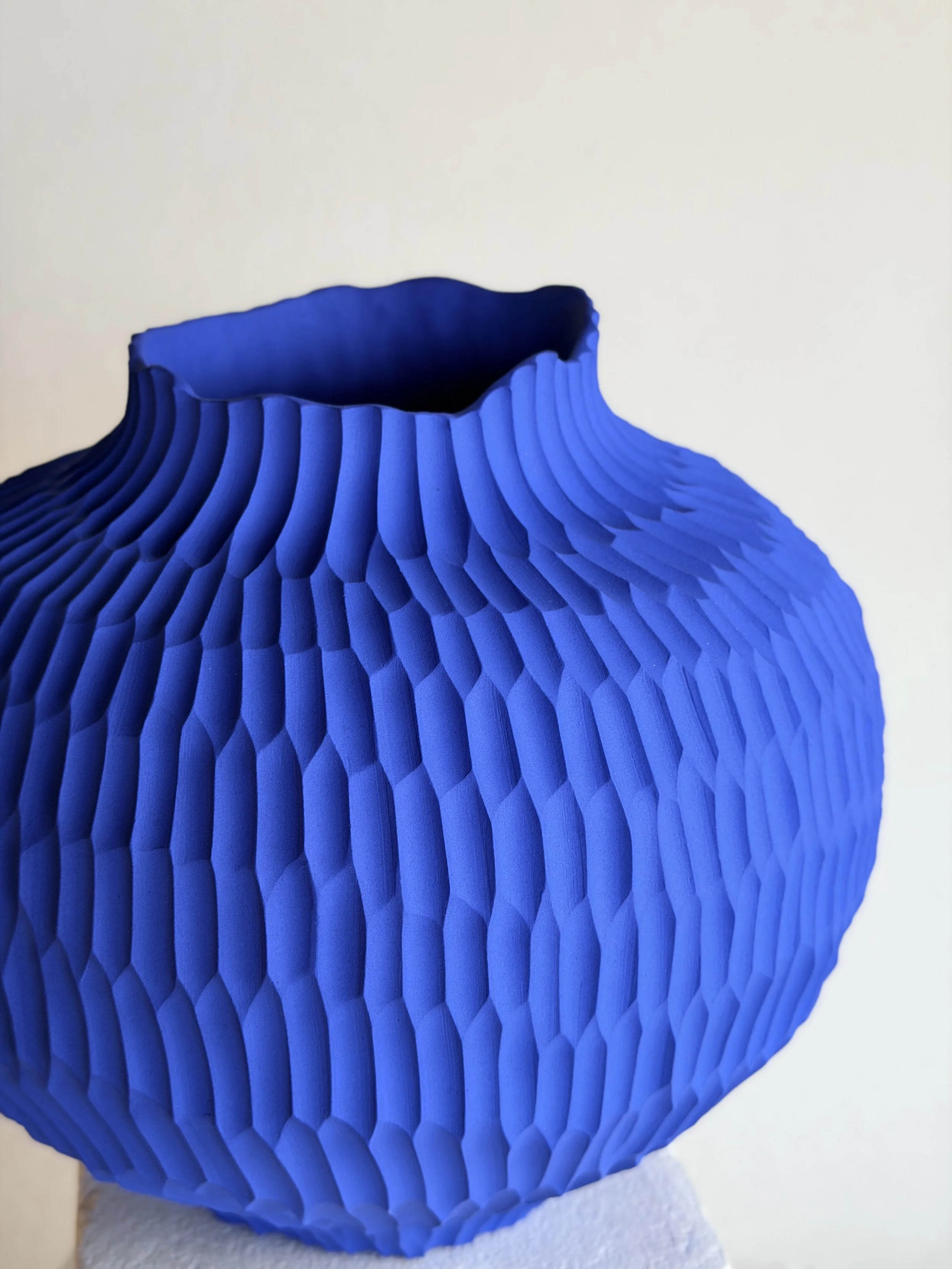
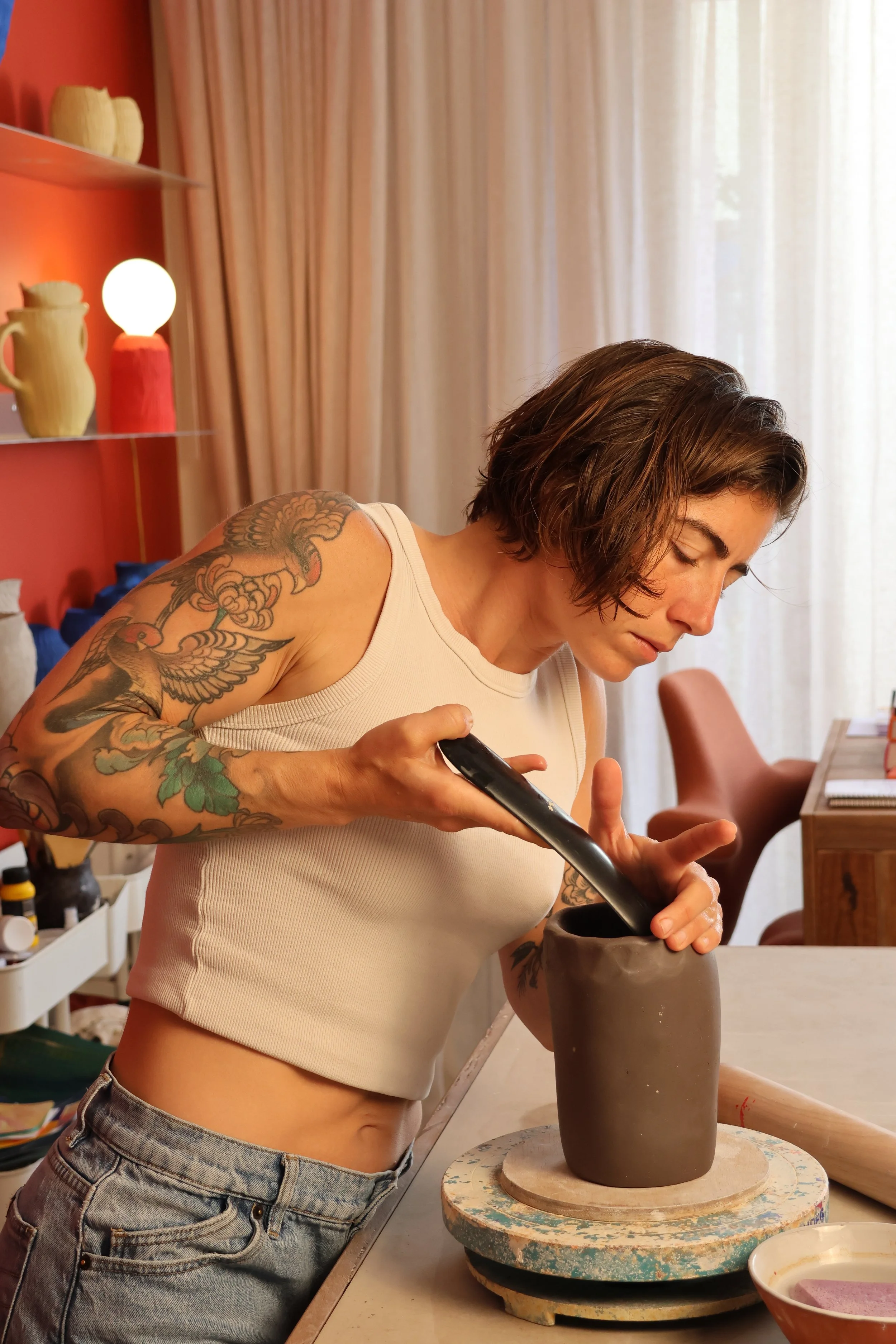
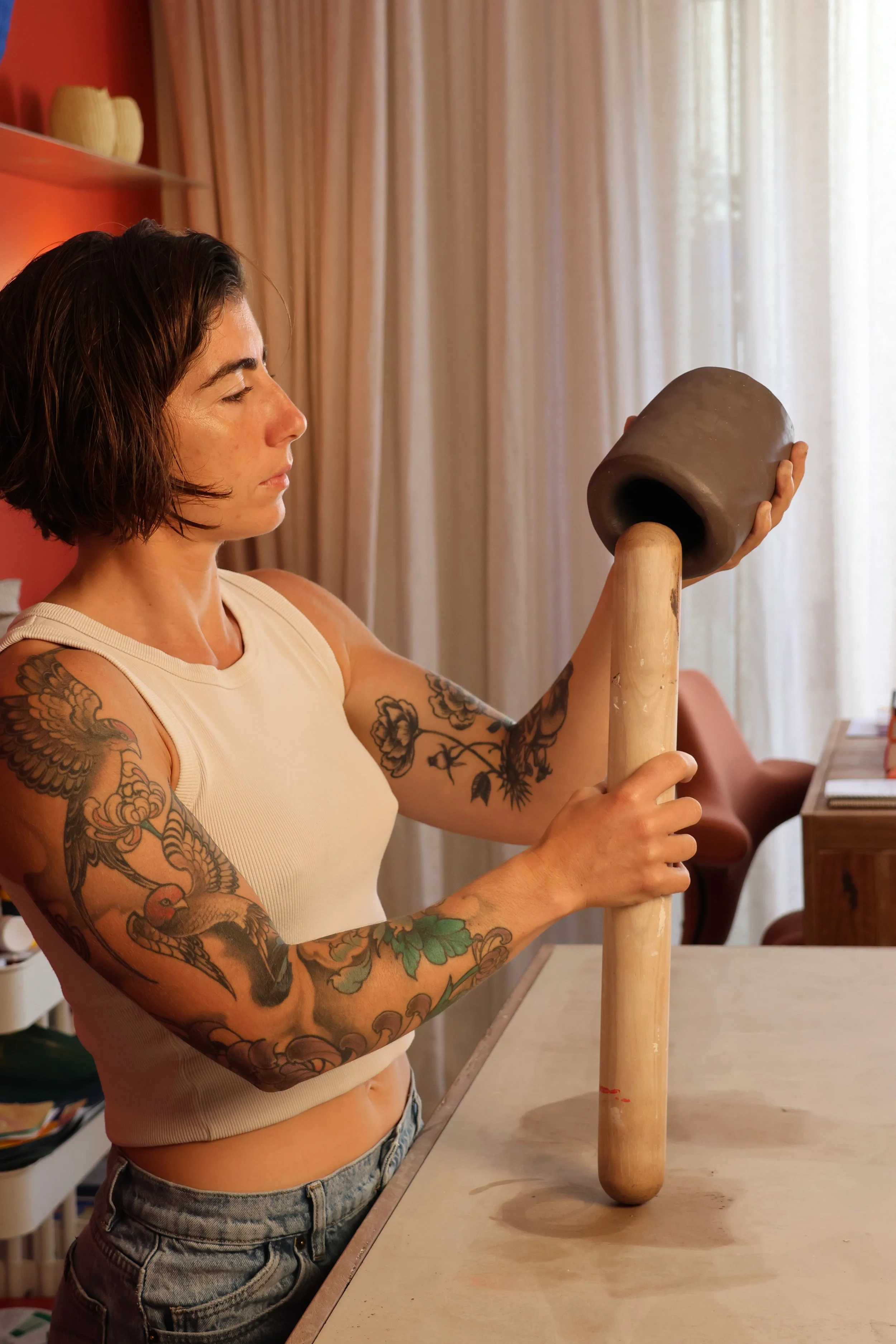
Rolling Pin Method started with eleven vases I didn't yet have the skill to throw, and a rolling pin sitting on my table. Over a hundred failed pieces later, it became a method, strong, consistent hand-building without a wheel or the joints and cracking that come with coiling. This isn't theory. It's the real technique, from the first roll to the finished piece, refined through years of practice and teaching it to students in 60+ countries.
WHAT PEOPLE SAY…
-
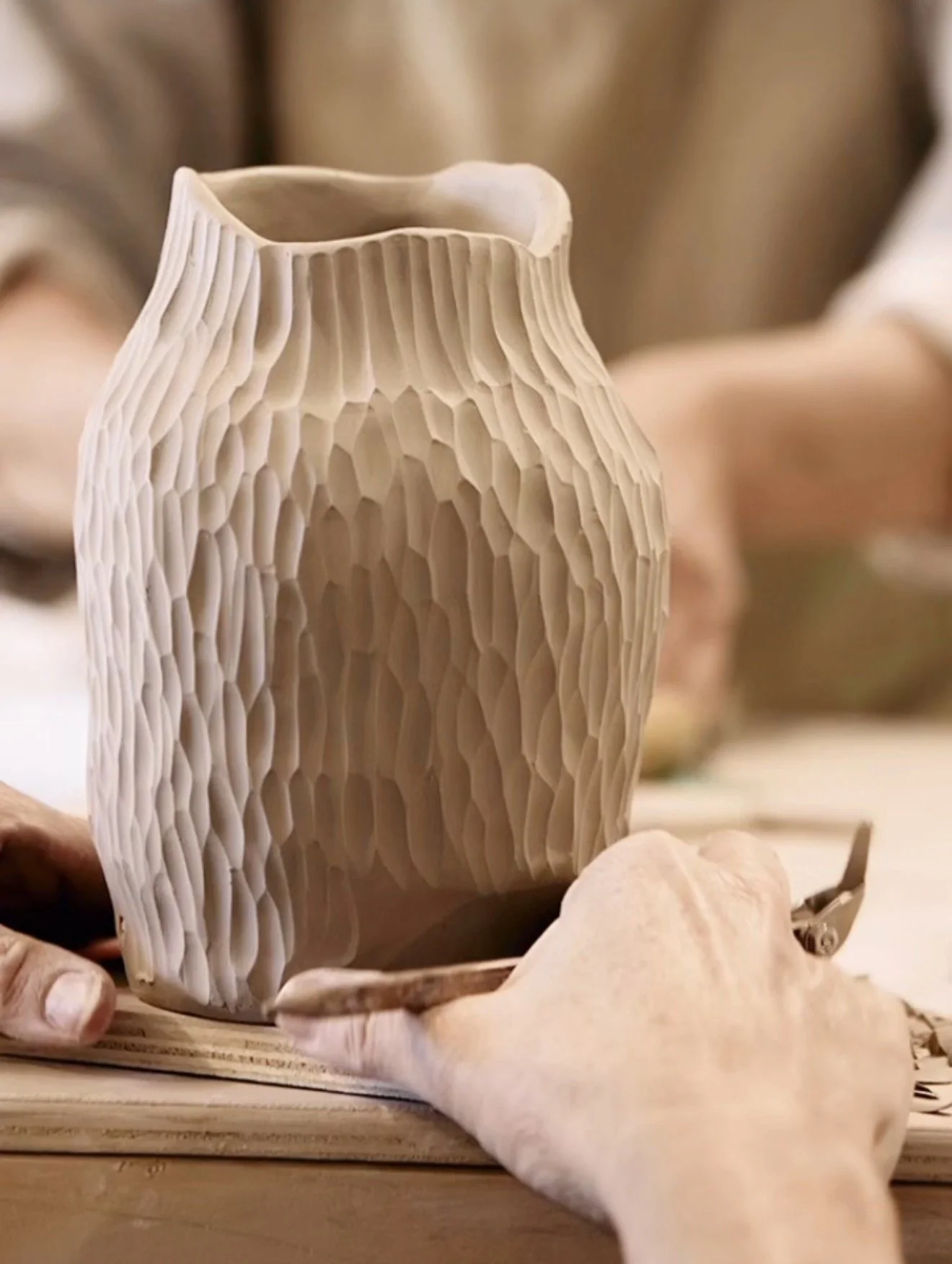
"The Rolling Pin Method blew my mind. Since I've learned it, it's the only way I make my pieces."
-
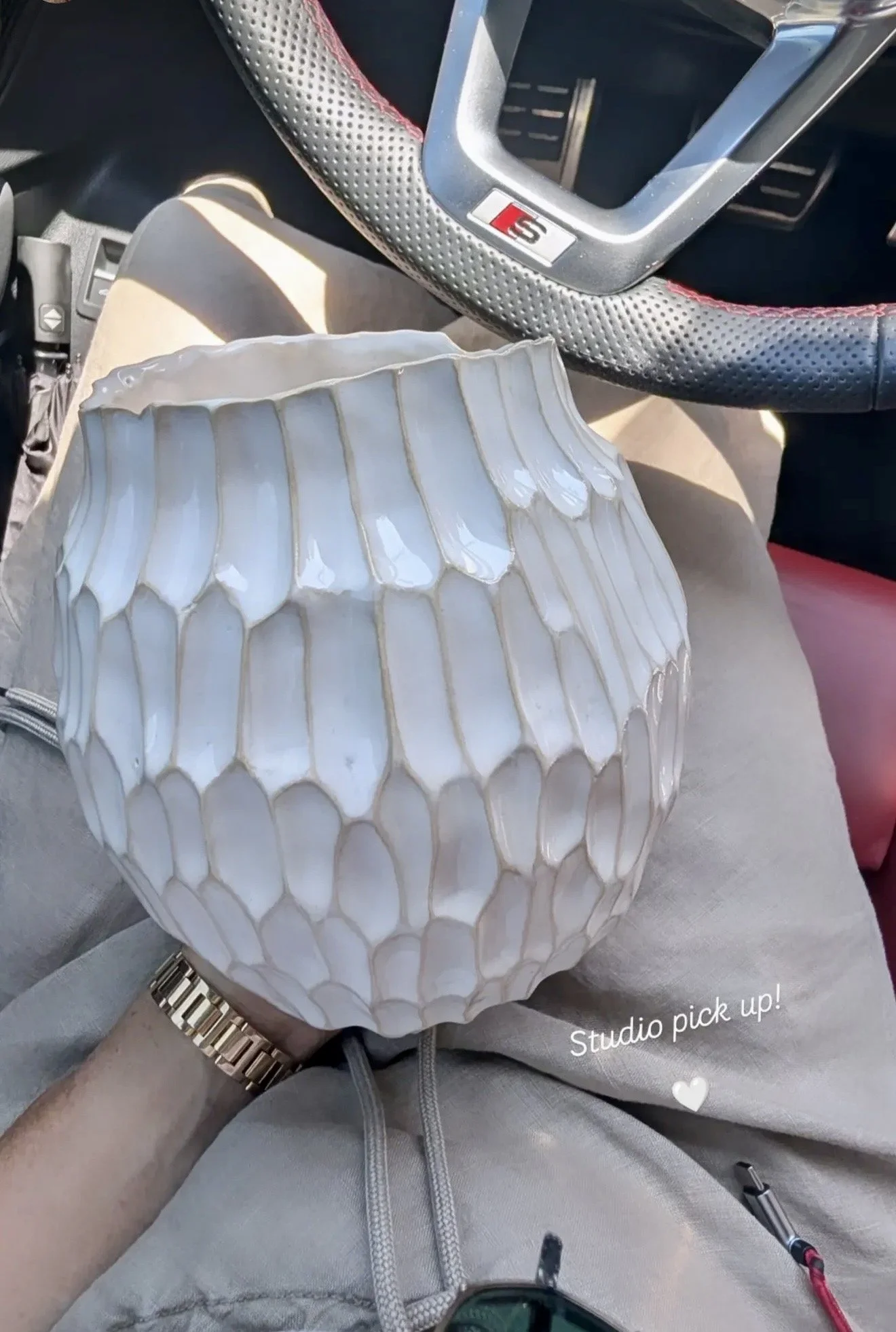
“It completely shifted my ceramic practice. I stopped guessing and started understanding what was actually happening with my hand-building practice.”
-
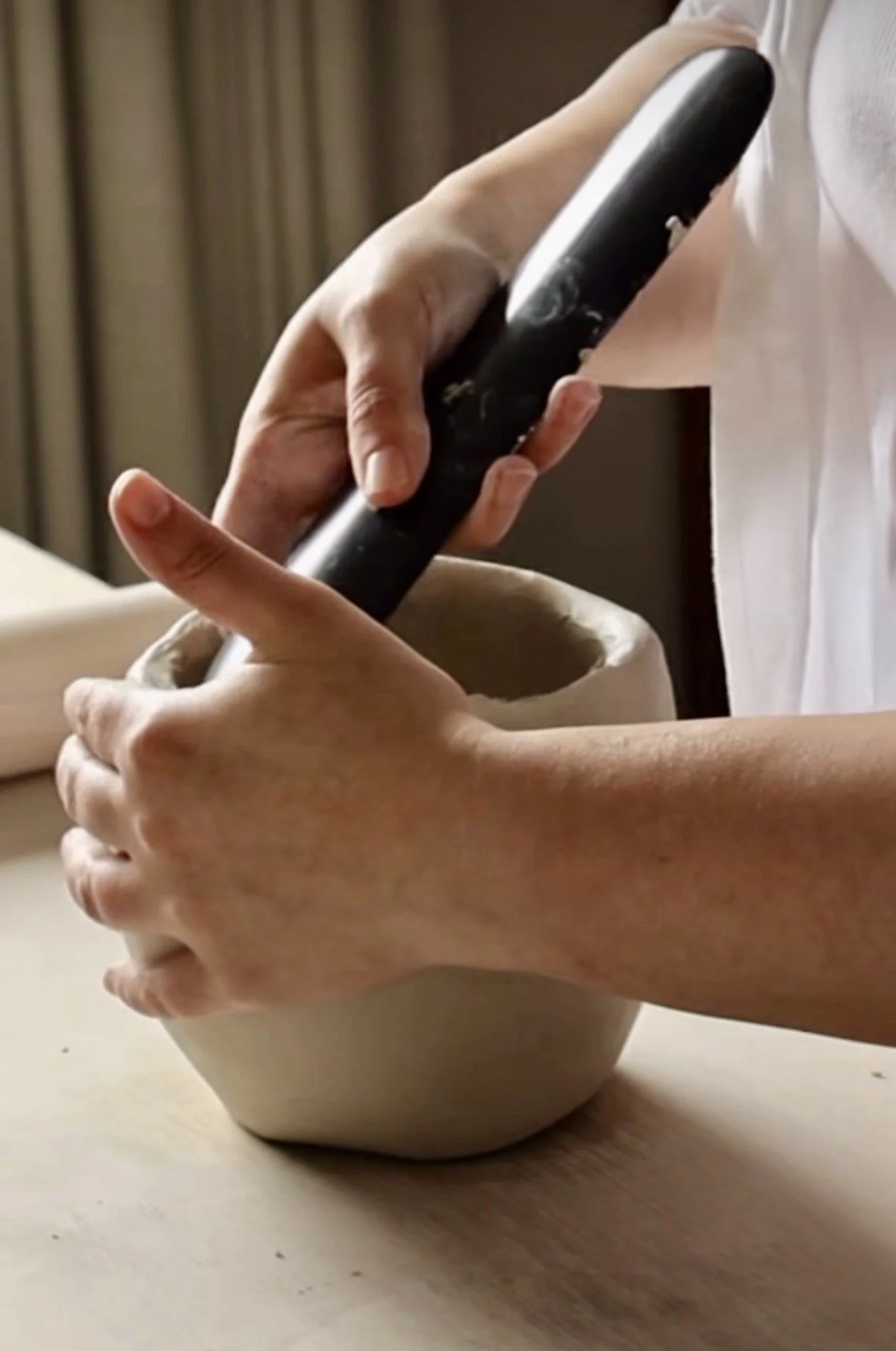
"This is my new favourite technique. I'm incredibly grateful to have learned it from Bianca."
-
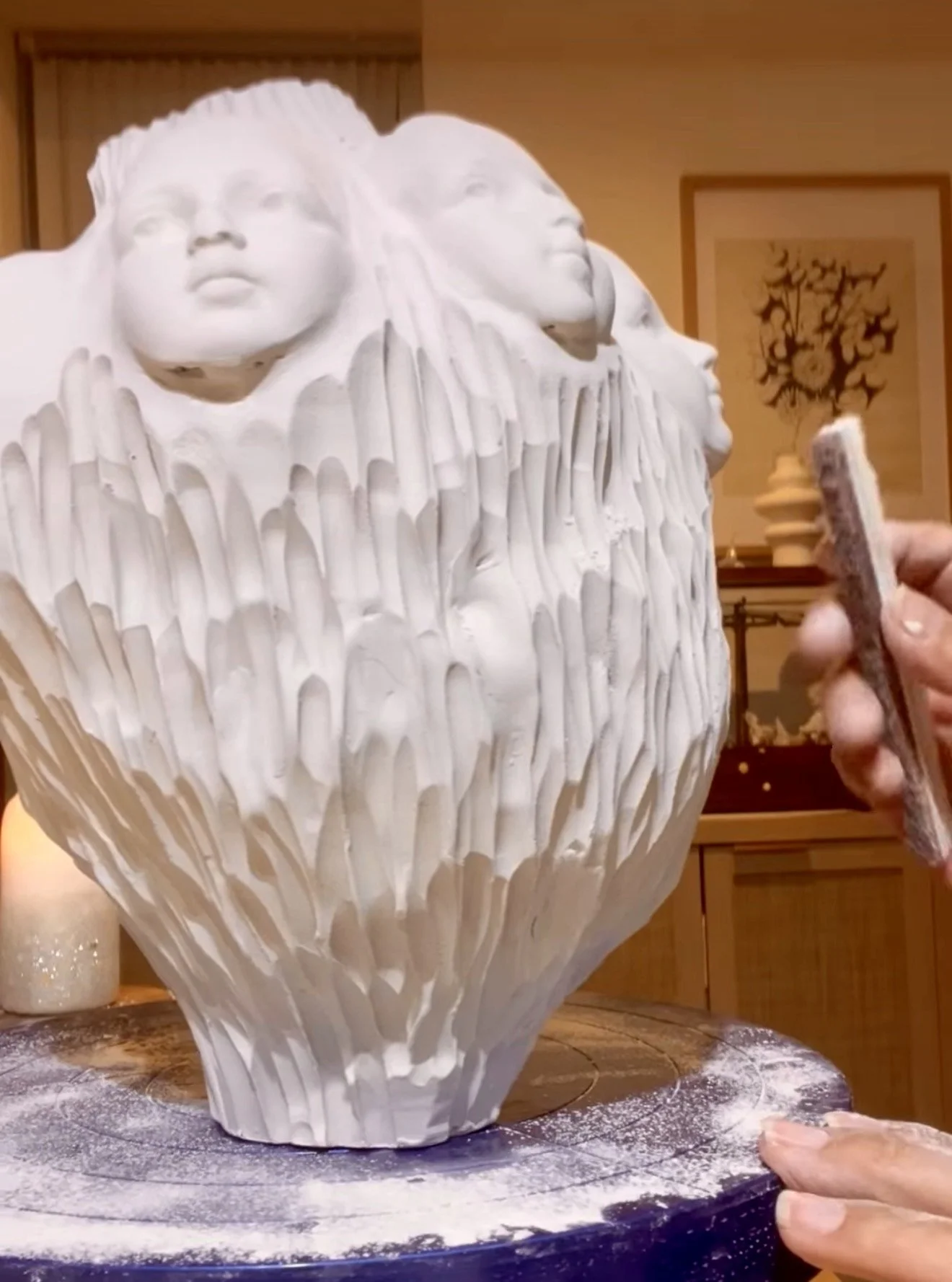
"Thank you so much, Bianca, for sharing your knowledge and being such a wonderful teacher. I strongly recommend taking her workshops. They are amazing."
-
“I can’t believe how long I worked without this. It changed the way I think clay and surface entirely.”
WHO THIS IS FOR
Whether you've never touched clay or you've been on the wheel for years, this works for both, differently. If you're experienced, you'll take the method and run with it, using it in ways that build on everything you already know. If you're new, you'll learn the method exactly as it is and start creating real, finished pieces faster than you'd expect.
It's for anyone who wants to make beautiful, considered pieces with ease and joy, not because it's a shortcut around skill, but because it's a genuinely different way to get there. You don't need a wheel. You don't need a studio. You can do this from anywhere.
If you're ready for the kind of breakthrough that feels almost magical, the moment it clicks and you realise you can actually build the thing you had in your head, this is for you.
WHO THIS ISN'T FOR
If you love coiling and you're genuinely satisfied with where it's gotten you, this probably isn't necessary for you.
And if you've already got real skill on the wheel and you love that process, even with how hard it is on the body, this isn't about replacing that. It's here for when you want another way, not instead of what already works for you.
-
A hand-building technique I developed out of necessity, using a rolling pin instead of a wheel or coiling. It gives you consistent, controlled walls without the joints, cracking, and shape-control issues that come with coiling, works for vases, plates, and sculptural pieces up to about 30cm on its own, and taller with the addition of slab coils.
-
Most hand-building relies on coiling, which means joints, and joints mean weak points, cracks, and a fight to keep your shape consistent as you build. Rolling Pin Method removes that entirely for pieces up to 30cm. No joints to hide, no bracing for a crack, just one continuous, controlled build.
-
No. That's part of the point, you can do this anywhere, with minimal equipment. Rolling pin, soft rib and a sponge is the basics for it.
Frequently asked questions about
The Rolling Pin Method
-
Yes. The method isn't limited to vases, once you know it, it applies across a range of shapes and structures.
-
The full set of course modules and videos, plus an ebook with everything you need alongside them.
-
You'll see results the same day, from your very first watch and practice session. The more you practice, the better it gets, but you don't have to wait weeks to see it start working.
-
Both. I've taught complete beginners who went straight to making finished pieces, and experienced makers, including people who've thrown on the wheel for years, who took the method and adapted it into their own work in new ways.
-
Yes. Go through it at your own speed, and come back to any part of it whenever you need to.
-
Because this workshop offers instant digital access, all sales are final.
But if you’re here, chances are this is the exact step your creative journey’s been waiting for — and you’ll feel that from the very first lesson.