You don't need a pottery wheel to make ceramics.
Ceramics Without a Wheel is the beginner course for making beautiful ceramics at home, with simple tools and your hands. No experience needed. Choose the pieces you love, build a small body of work that's yours, and feel what it's like to say: I made this.
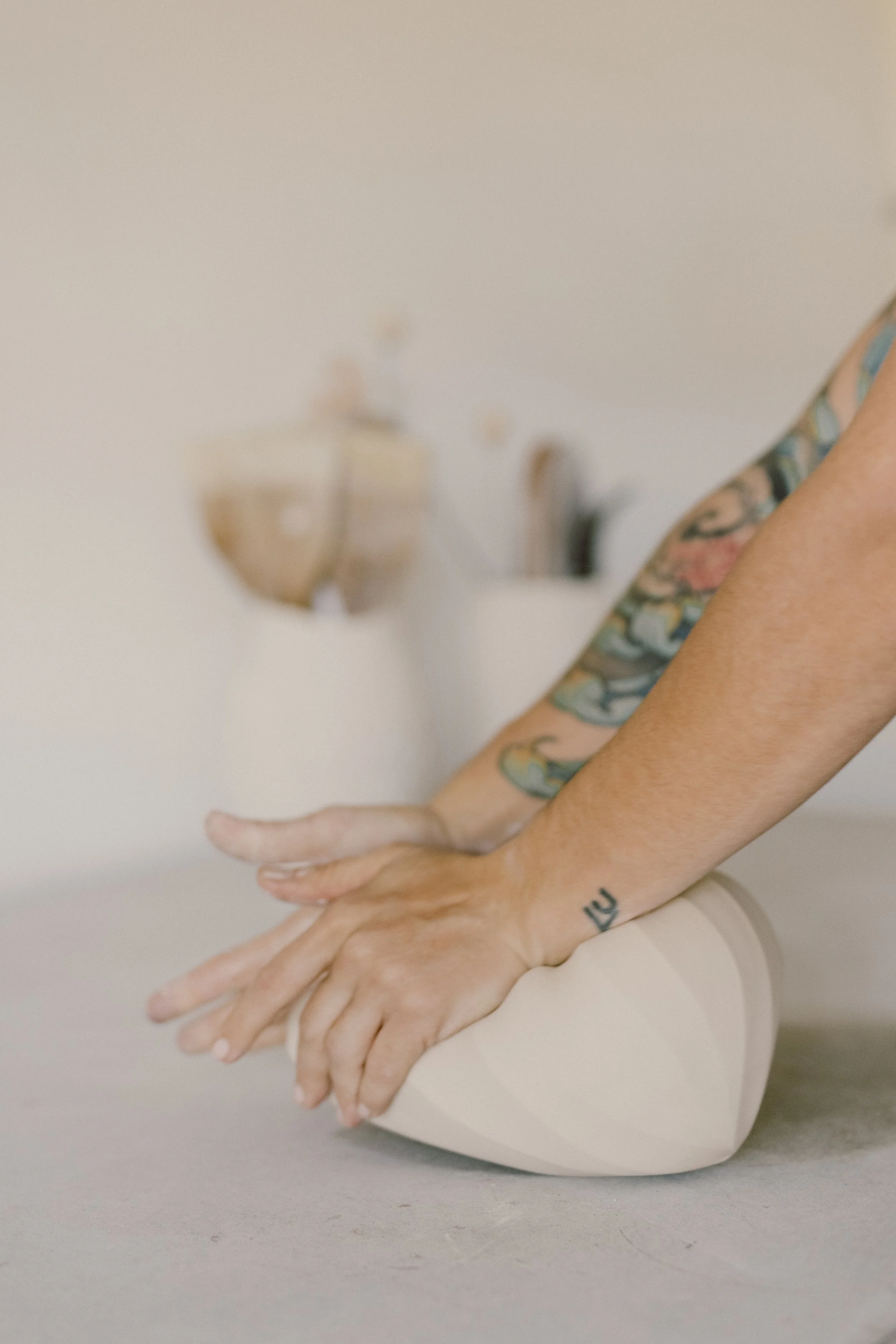
Relax. Just make your ceramic pieces.

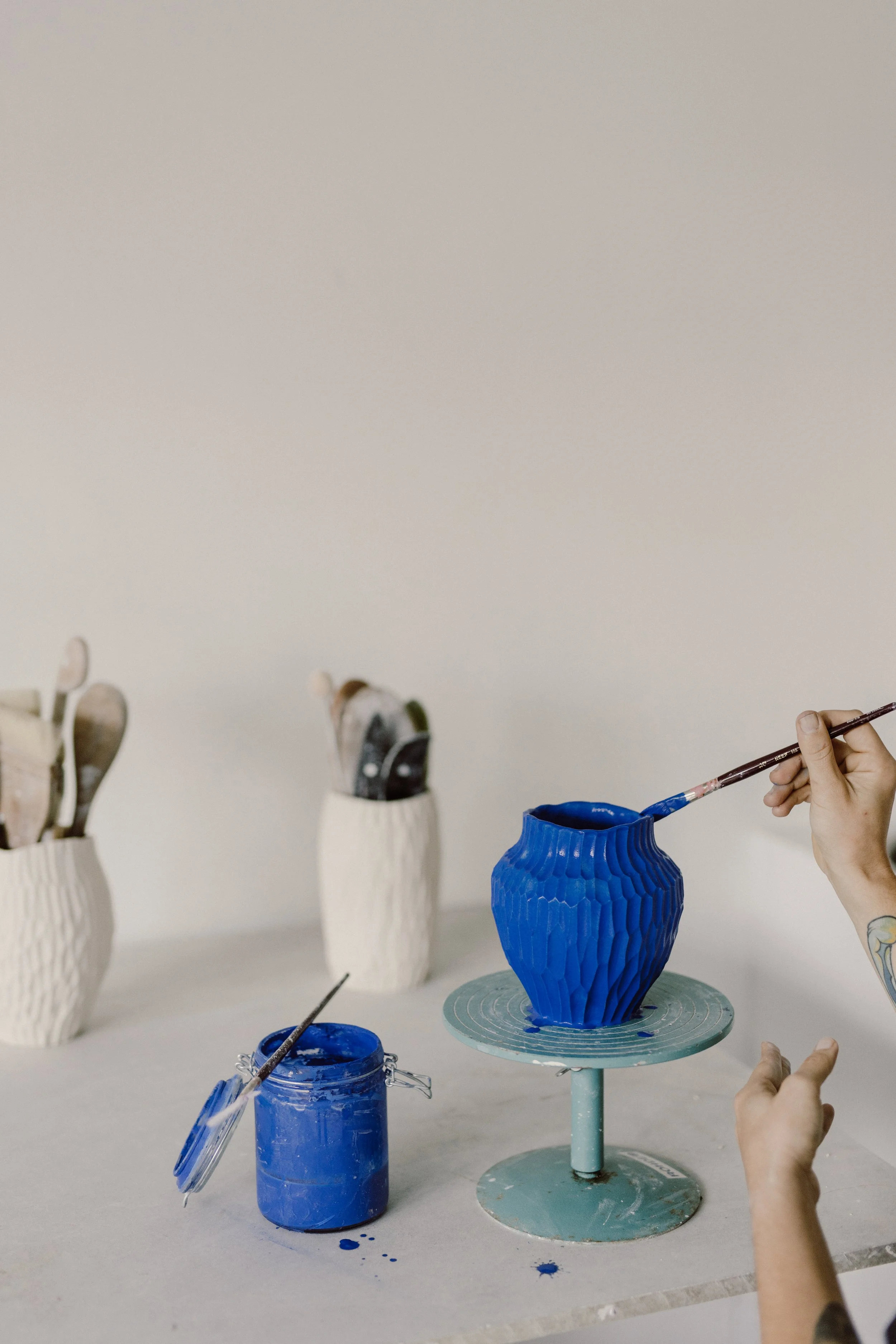
First, the essentials: materials, firing, everything you need to know, so you can relax and just make. Then choose your piece. Four bowls, five cups, a vase and a plate, each taught in a full demonstration where I talk you through it.
Make one, or make them all. All you need is clay, a table and a few simple tools. This is the course I wish had existed when I started.
Eleven pieces. Choose the ones that feel like you.
First, the essentials: materials, firing, everything you need to know, so you can relax and just make. Then choose your piece. Four bowls, five cups, a vase and a plate, each taught in a full demonstration where I talk you through it.
Make one, or make them all. All you need is clay, a table and a few simple tools. This is the course I wish had existed when I started.
You've always wanted to make ceramics.
You've watched the videos. You've picked up a handmade cup at a market, turned it over in your hands and thought: I want to make that.
Then you looked into it, and it got complicated. Wheels. Kilns. Studios. Classes that assume you already know what you're doing. Maybe you tried a wheel-throwing course and left feeling like you weren't cut out for it.
So you told yourself a story. Ceramics is for other people, the ones with the space, the equipment and the years of practice.
And you waited. For the right time. The right space. The right setup.
The wait was never about you. The story was just wrong.
You don't need more equipment. You just need a way in.
CERAMICS IS ANCIENT,
AND IT’S SIMPLE.
People were shaping clay by hand long before the wheel existed. The wheel is one way in. It was never the only way.
Working with your hands is the practice underneath it all. Hold a lump of clay and it starts to teach you. How it moves, how it wants to be shaped, when it's ready. You press, you pinch, you smooth, and slowly a form appears. Then, suddenly, it's the thing you imagined.
This isn't about perfect pottery. It's about the making: cool earth in your hands, a table, an afternoon that disappears.
Working with clay slows you down. You stop thinking about everything else. You come back to yourself.
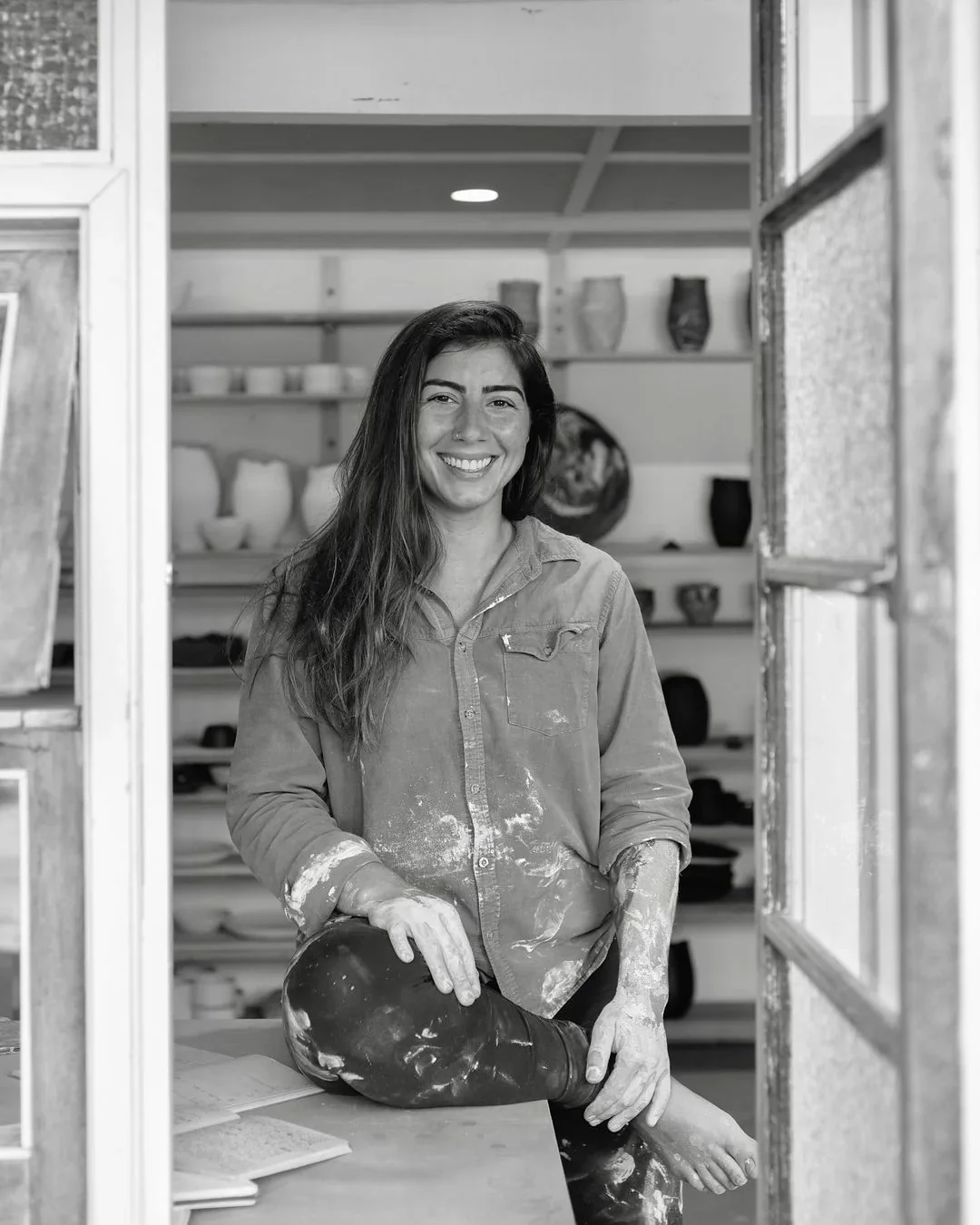
I fell in love with clay at the first touch.
I had never touched clay before. I visited a ceramic studio and signed up for a six-week wheel-throwing workshop, and I was gone. When it ended, I wanted to keep making. But the wheel lived at the studio, and I couldn't take it home.
So I started with what I had: a little table in the garden, at the back of my place, and very simple tools. I made everything by hand, and I'd never had time pass so fast in my life.
That was over eight years ago, and I haven't stopped since. I don't even have a wheel today. I haven't for years, because it was never part of my practice. I work at a table, I can make my work anywhere, and I love that.
That table led to more than I ever imagined: pieces made for Cartier VIP rooms across Australia and Bangkok, exhibitions in Sydney and Paris, and over 2,000 students, many of them starting exactly where I did.
But the part I come back to is the moment I held a piece I'd made and thought: I made this. It was a cup, and I still have it. I treasure it. I want you to have that. It's why I made this course. It's the one I wish had existed the day my wheel class ended.
MY STORY
You arrive with no wheel and no experience. You leave with pieces you made, use and love.
You don't have to want to become a potter. You only have to want to drink your coffee from a cup you made, eat from a bowl that came from your own hands, and set a table with things you made yourself.
They won't be perfect. They'll be yours. And the first time someone asks where you got it, you'll get to say: I made it.
WHAT PEOPLE SAY…
-
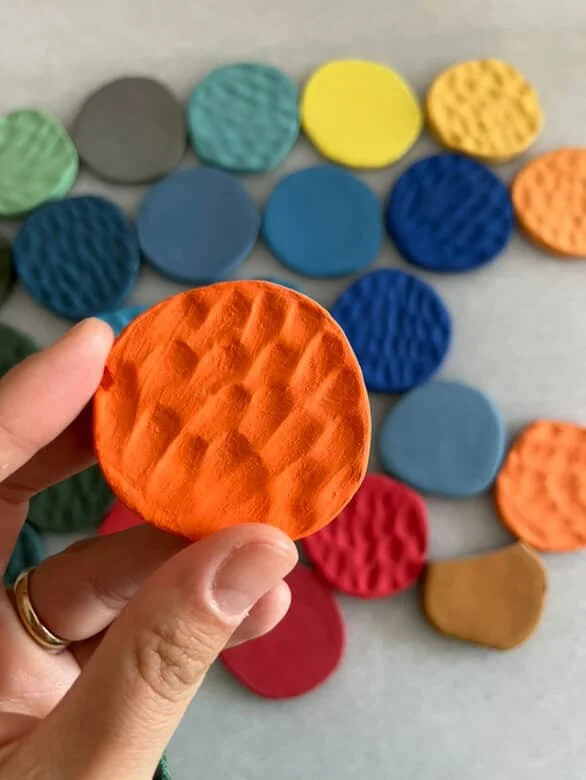
“It’s nothing like glaze recipes. Colour started to feel intuitive, repeatable, and alive in my work.”
-
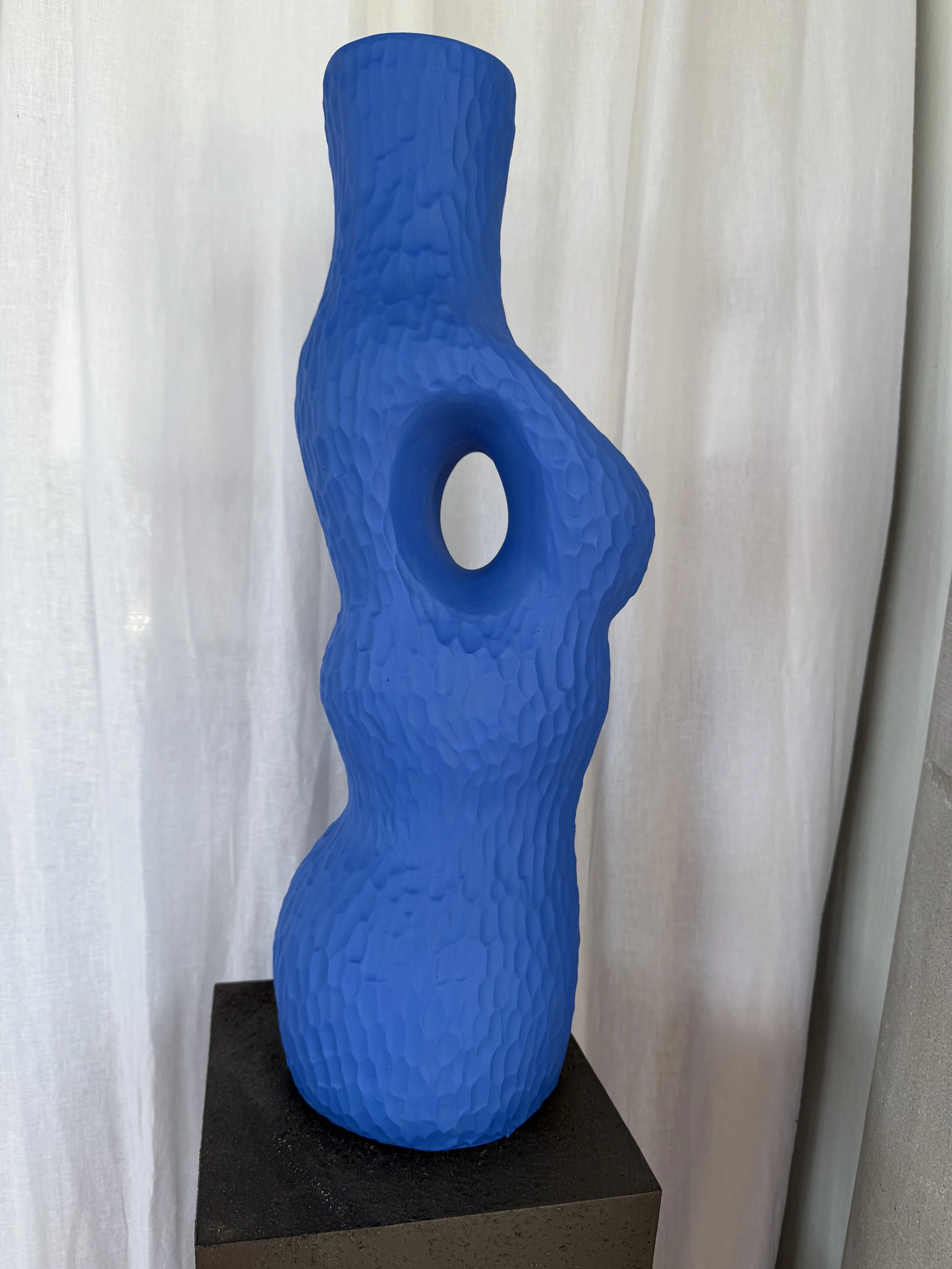
“I finally understood bold colour in ceramics — not as recipes to follow, but as something I could actually work with and trust.”
-

“It completely shifted my ceramic practice. I stopped guessing and started understanding what was actually happening with colour.”
-
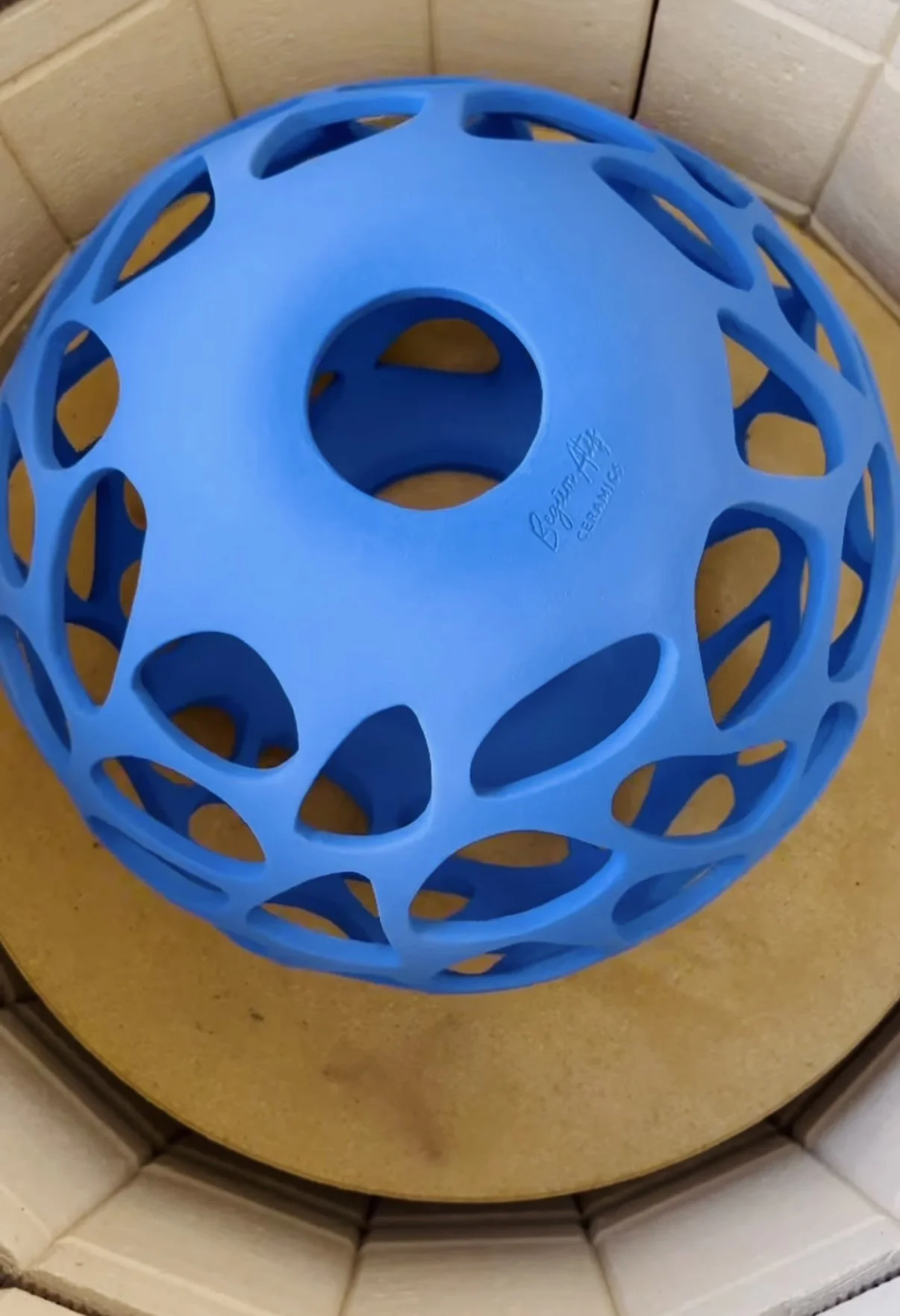
“I can’t believe how long I worked without this. It changed the way I think about colour and surface entirely.”
-
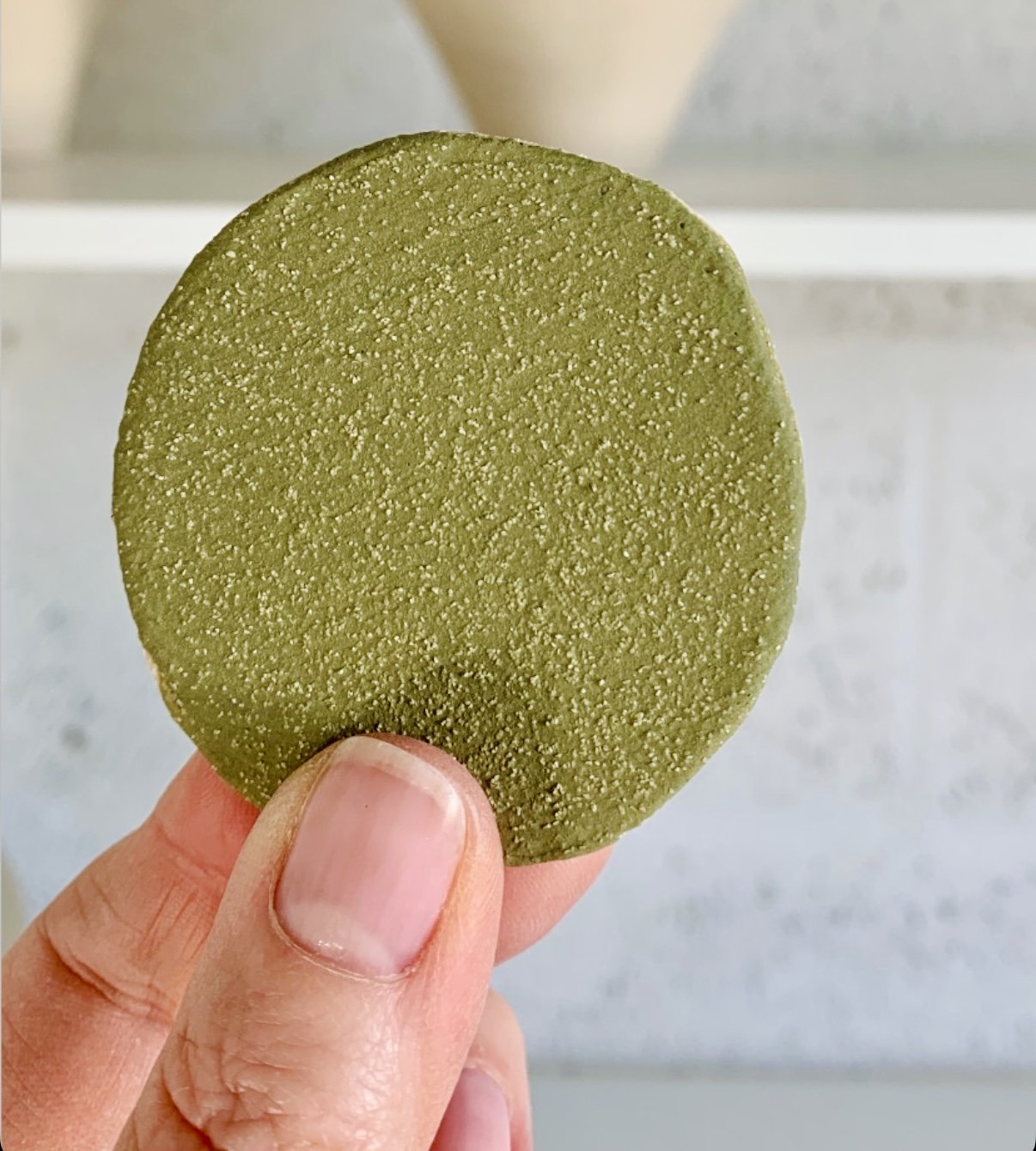
“Colour stopped feeling like trial and error. I finally understood how to work with it in ceramics, rather than hoping for the best.”
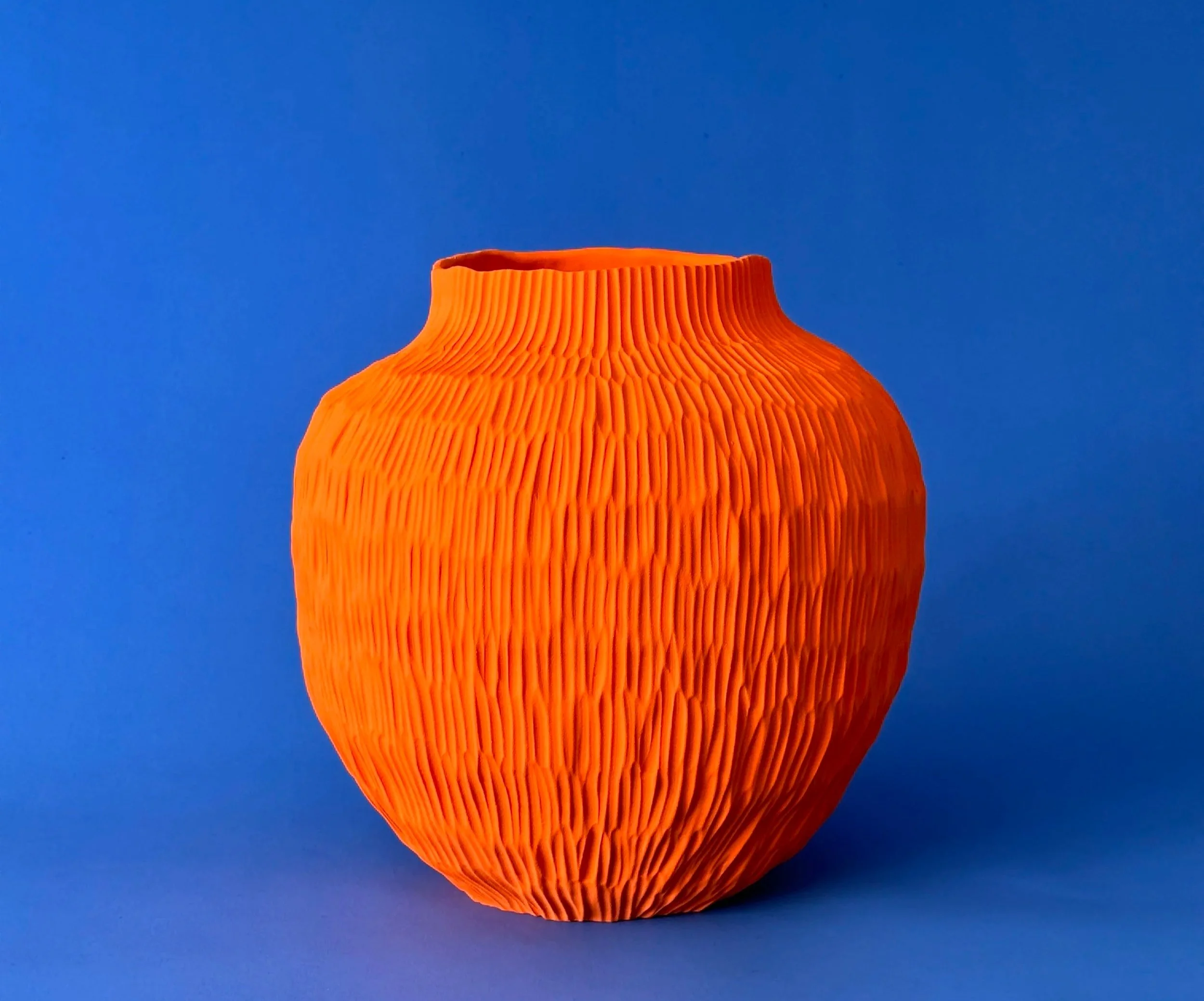
You don't need years of experience. You don't need a shelf full of failed glaze tests, I already did that part for you. You just need to want colour that actually looks like what's in your head, not a watered-down version of it.
This is for beginners who want to skip the years of trial and error I went through. It's for experienced makers who are bored of glazes that behave the same way every time. It's for anyone who wants to make a piece that stops someone mid-walk, the kind people pick up, turn over, and ask, "wait, how did you get this colour?"
WHO THIS IS FOR
WHO THIS ISN'T FOR
If you're happy with your glazes and not looking to shake things up, this probably isn't for you, and that's genuinely fine.
If you want glossy and shiny, this is built for matte, bold, and opaque. Different tools for a different look.
And if you want a shortcut with no practice involved, I'll be honest: the technique itself is simple, genuinely simple, but simple doesn't mean zero effort. It gets better with practice, like anything worth learning. If you're willing to put in a little of that, this will change how you think about colour completely.
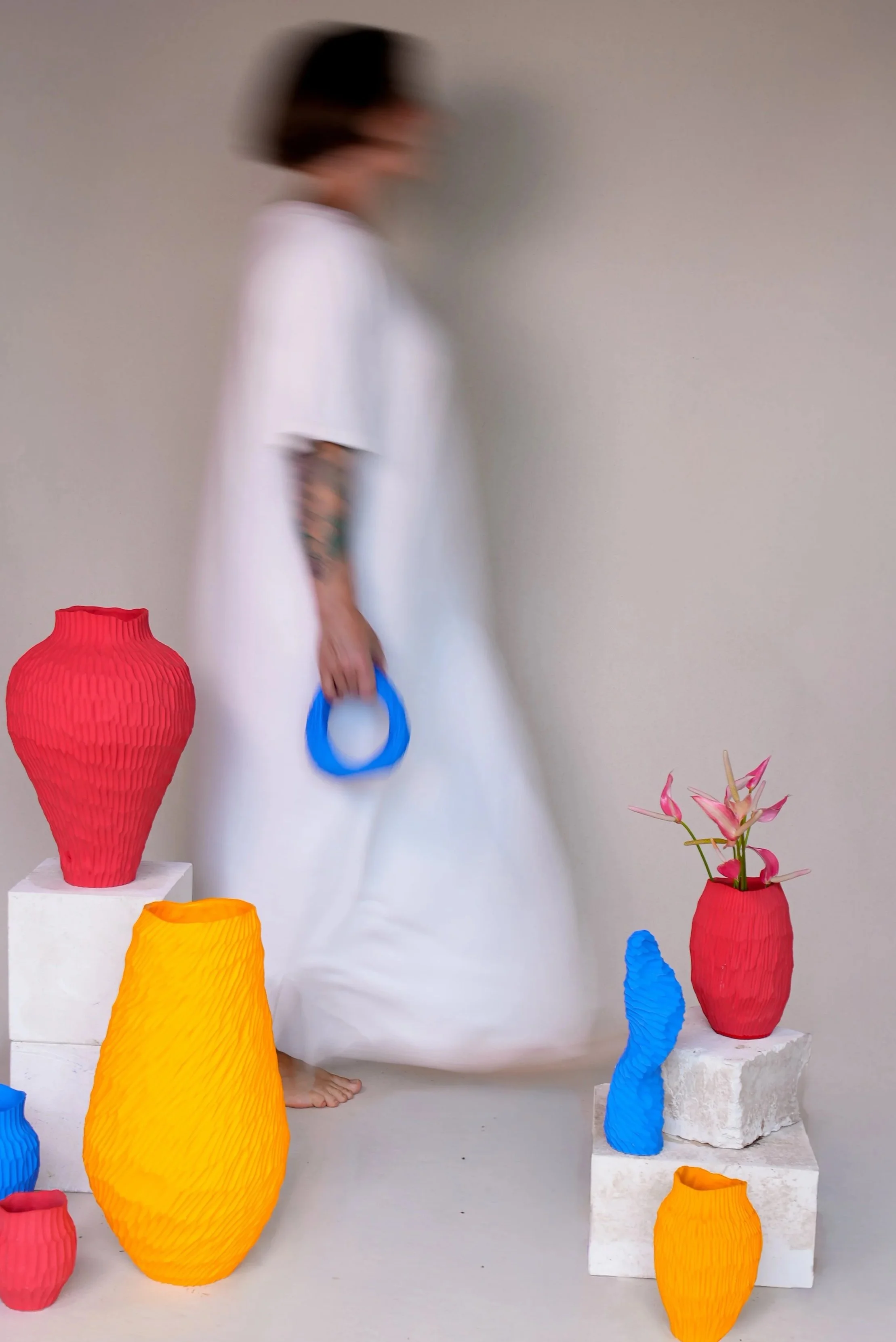
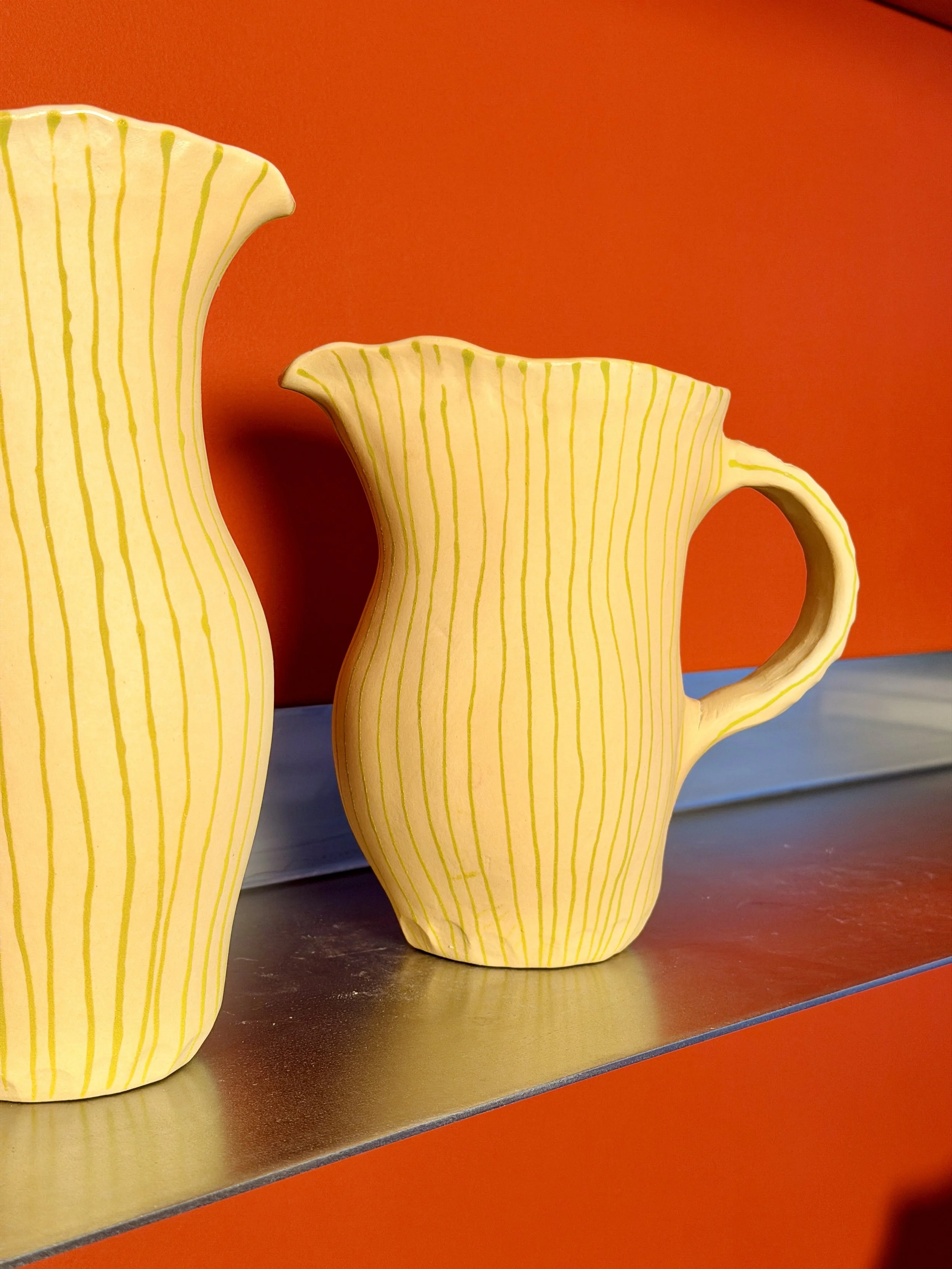
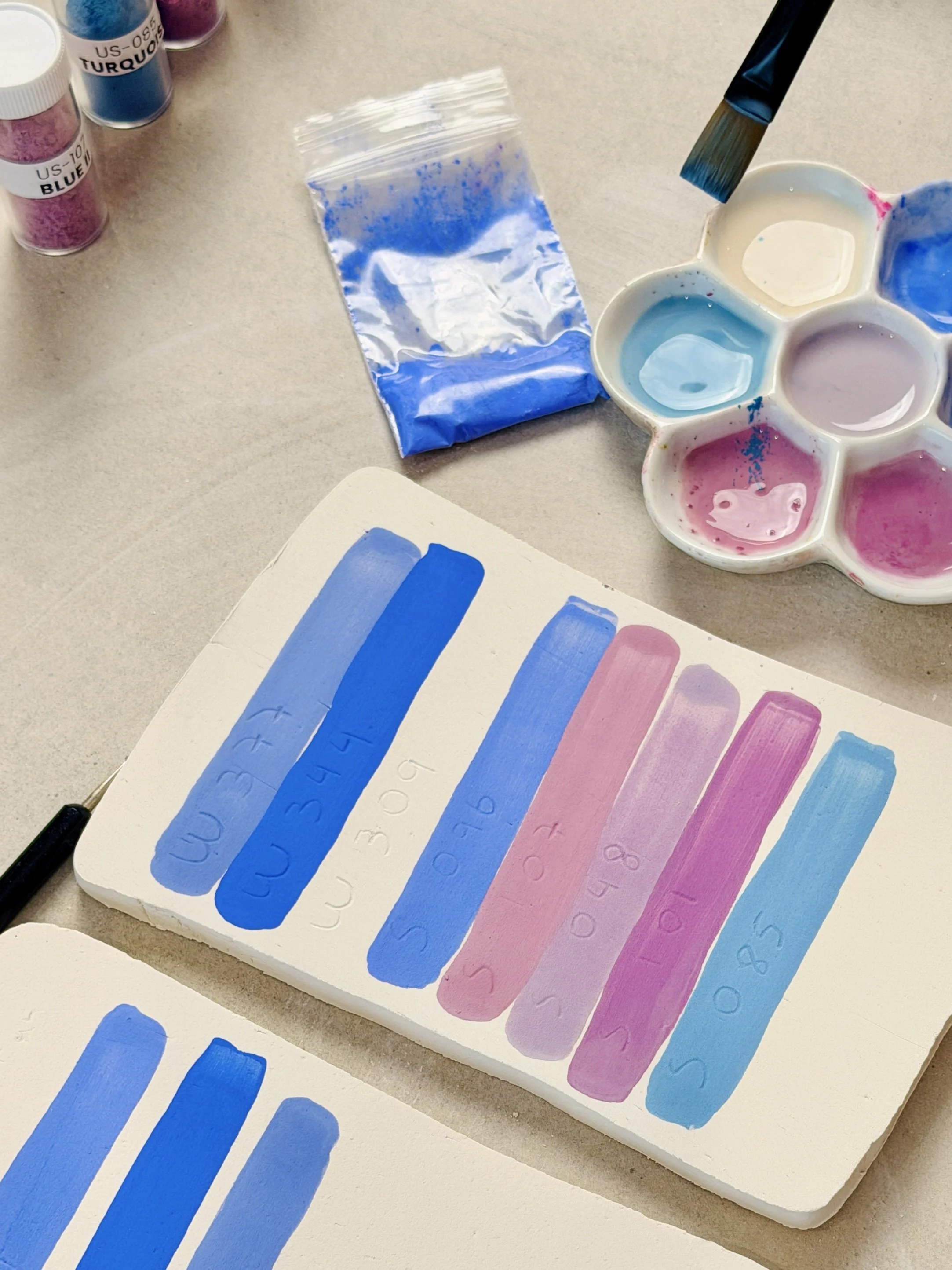
Taught to students in 60+ countries. A true matte, opaque colour method, in any shade, the ceramics community said couldn't be done. It photographs beautifully, and it's even better in person.
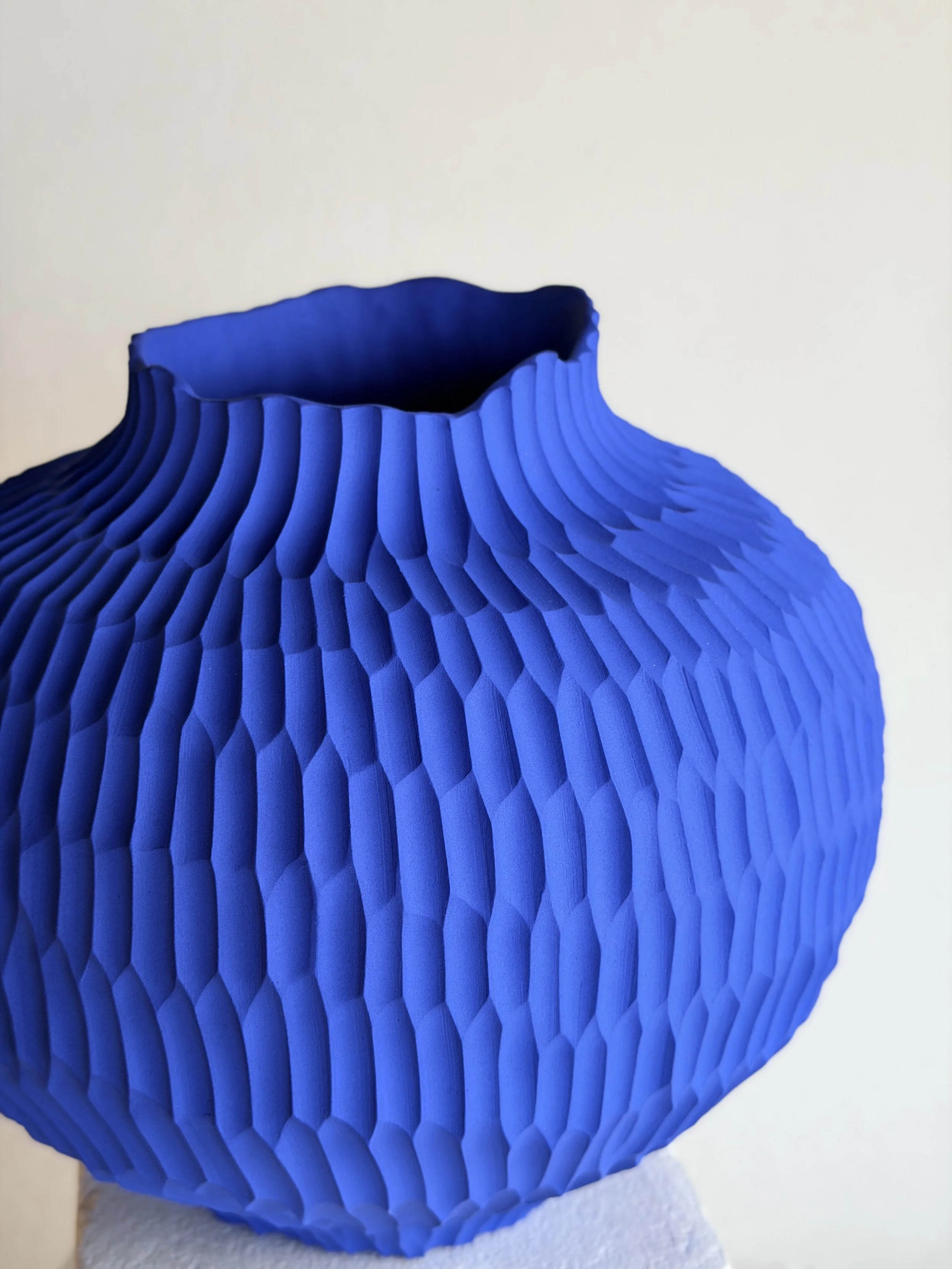
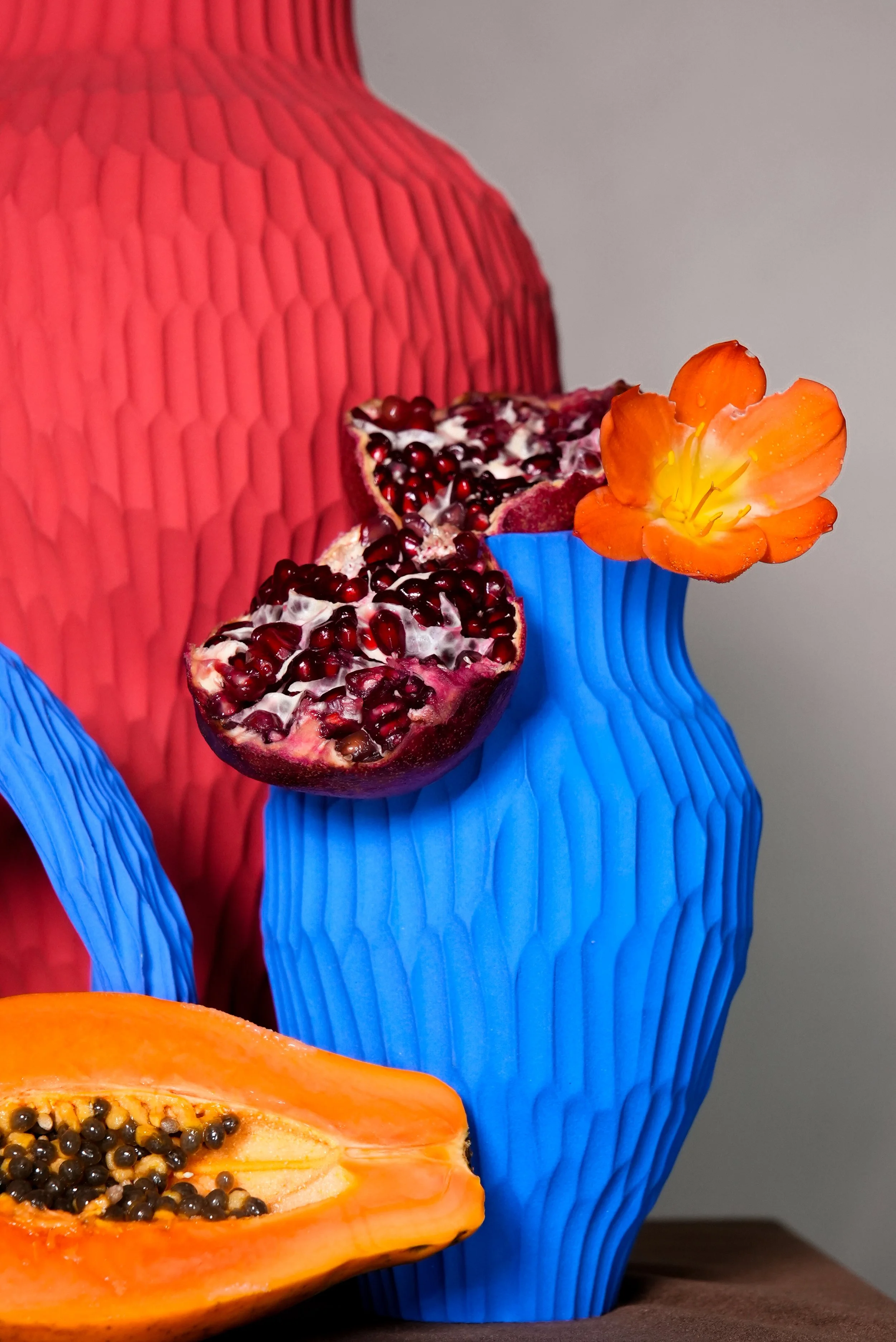
Not just my blue.
Your colours, bold and matte.
Colour Secrets started with one blue that didn't exist. Years of testing turned it into a method, bold, matte, opaque colour for any shade you want, not just the one that started it all. This isn't foundational theory. It's the real recipe and application process, refined through years of making and teaching it to students in 60+ countries, built so you can create with the kind of confidence and control that stops someone mid-walk.
Frequently asked questions: Colour Secrets - The Evolution
-
No special tools required.
You can create all the colours using simple materials, basic brushes, and the pigments you’ll learn to mix.
I’ll also share my favourite tools — but you don’t need anything fancy to get beautiful results. -
Yes — absolutely.
The process is intuitive and beginner-friendly, while still offering advanced artists depth, control, and creative expansion. -
Not at all.
Artists of all levels can create bold matte colours with confidence — no chemistry knowledge or glaze testing needed.
-
Any clay works beautifully — from earthenware to stoneware to porcelain.
This method adapts to all clay bodies with consistent results. -
No — it does not stick to the shelf.
Because this is not a glaze, you can safely apply it on the bottom of your piece without worrying about melting or sticking. -
The method fires well across a broad temperature range.
You’ll learn the exact temperature guidelines I use to achieve smooth, matte, stable colour every time.
-
You get:
• The full Colour Secrets workshop
• The updated Colour Secrets eBook
• Natural pigment lessons + demonstrations
• The bonus food-safe lesson
• My brand-new secret ingredient formula
• Lifetime access + all future updatesEverything you need to confidently create the colours you envision.
-
Absolutely.
The workshop is completely self-paced, so you can move through it as your creative rhythm allows — pause, practice, revisit anytime. -
Because this workshop offers instant digital access, all sales are final.
But if you’re here, chances are this is the exact step your creative journey’s been waiting for — and you’ll feel that from the very first lesson.